
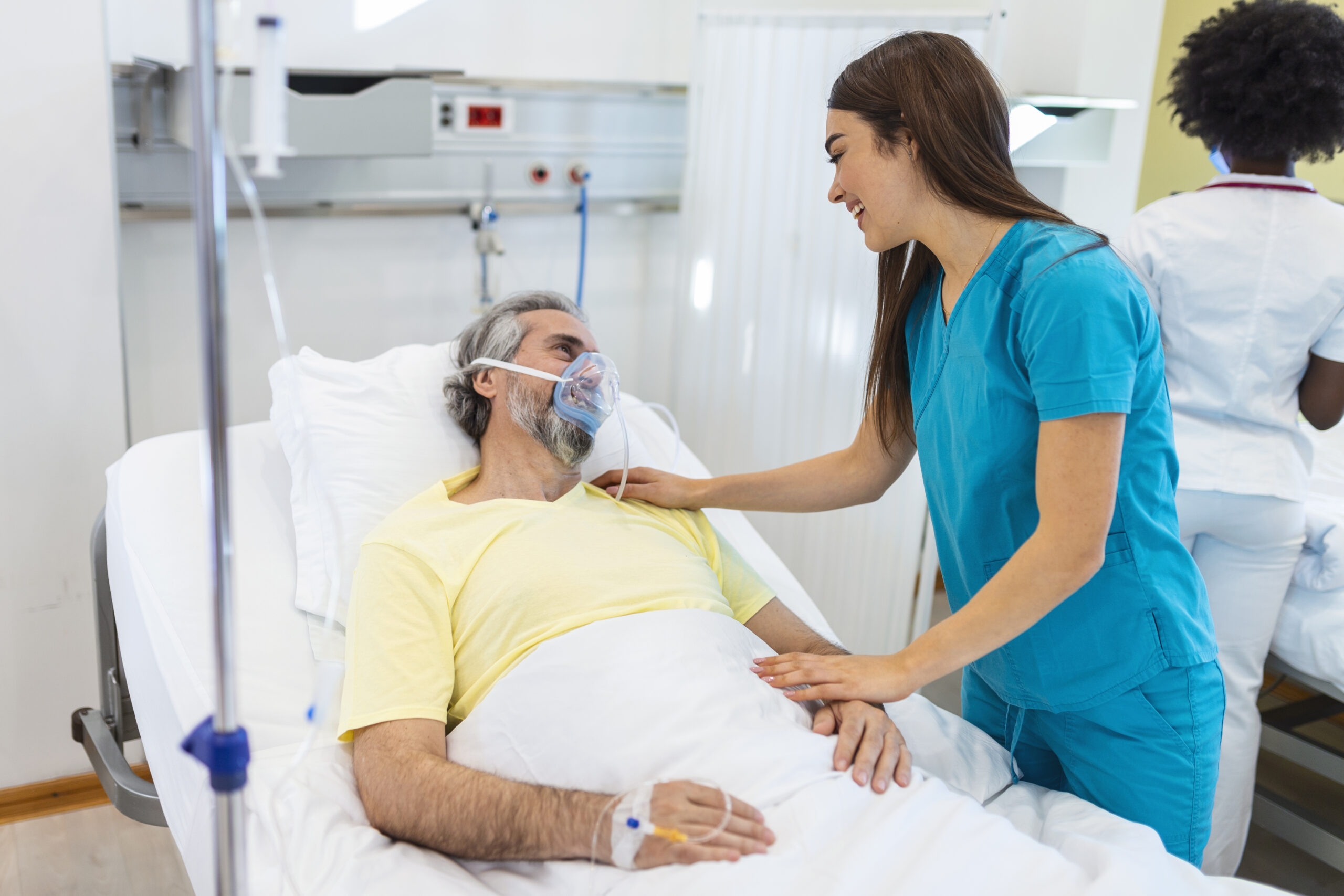
Living with chronic kidney disease (CKD) or dealing with sudden, unexpected renal failure can feel like an overwhelming, uphill battle. When your kidneys lose their ability to filter waste products, toxins, and excess fluids from the bloodstream, life changes in an instant. Suddenly, your weekly calendar no longer belongs entirely to your career or personal hobbies; instead, it revolves around a medical machine that must step in to perform these essential, life-saving physiological tasks.
If you or someone you deeply care about is standing at this health crossroads, searching for a high-quality, reputable Dialysis Center in Bangalore is no longer just a simple medical chore to cross off your list. It becomes the foundational cornerstone of your weekly routine, physical comfort, emotional resilience, and long-term survival. Bangalore, recognized globally as a premier healthcare capital, features some of the country’s most technologically advanced medical infrastructure. However, finding the right fit for your unique medical profile requires looking past gleaming glass facades to assess critical factors like single-use dialyzer protocols, 24/7 nephrologist backing, advanced water purification standards, and emergency intensive care support.
This comprehensive guide breaks down everything you need to know about choosing the Best Dialysis Center in Bangalore to ensure you receive exceptional, safe, and compassionate clinical care.
Understanding Dialysis: More Than Just a Medical Procedure
To truly appreciate what makes a renal facility outstanding, it helps to understand what the treatment entails on a biological level. Dialysis is a supportive therapy that cleanses your blood, balances critical mineral levels (such as potassium, phosphorus, and sodium), and actively regulates blood pressure when the natural kidneys function at less than 15% of their normal capacity.
When metabolic waste like urea and creatinine build up in the body, it leads to systemic toxicity, extreme fatigue, severe nausea, and dangerous fluid accumulation in the lungs. There are two primary modalities of treatment you will encounter across top-tier institutions in Bangalore:
Hemodialysis (HD)
This is the most common form of renal replacement therapy. Your blood is gently drawn from a surgically created vascular access site—usually an Arteriovenous (AV) fistula, an AV graft, or a temporary central venous acute dialysis catheter. The blood is then run through an external artificial kidney machine, known as a dialyzer. Inside this dialyzer, a specialized cleansing solution called dialysate washes out toxins across a semi-permeable membrane. The purified blood is then returned safely to your body. This treatment typically demands three sessions per week, with each individual session lasting roughly four hours. Because of the frequency and physical demands, the environment where you receive this treatment matters immensely.
Peritoneal Dialysis (PD)
This alternative method uses the natural, highly vascular lining of your own abdomen (the peritoneum) as the internal filter. A sterile, glucose-rich cleansing fluid is introduced into your belly via a permanent peritoneal catheter. The fluid sits inside the abdomen for a few hours, absorbing waste products and excess water directly from internal blood vessels through diffusion. Afterward, the used fluid is drained out and replaced with a fresh batch. Because it can be done at home, overnight, or even at an office desk, it offers exceptional lifestyle flexibility for working professionals, frequent travelers, and young students.
Essential Criteria for Evaluating a Dialysis Center in Bangalore
When scouting for a reliable Dialysis Center in Bangalore, you must evaluate facilities based on a strict checklist of clinical safety, structural stability, and patient-first comfort rather than relying solely on neighborhood convenience:
1. Presence of Expert Nephrologists & Certified Technicians
A dialysis machine is only as safe and effective as the human team operating it. The elite centers in Bangalore house dedicated, highly experienced nephrologists who monitor your chemical baselines, modify your dry weight targets, manage renal anemia, and customize your treatment prescriptions. Alongside them, look for certified clinical dialysis technicians and empathetic nursing staff. The staff must excel at the delicate art of cannulation—inserting needles into an AV fistula—with minimal physical discomfort and zero damage to the vascular access line, which is a patient’s absolute lifeline.
2. Strict Infection Control & Single-Use Dialyzers
Because dialysis bypasses your body’s natural external barriers and accesses your bloodstream directly, infection control is paramount. The Best Dialysis Center in Bangalore will proudly enforce a zero-compromise policy on clinical hygiene, utilizing advanced single-use dialyzers and disposable tubing sets for every single session. This completely eliminates the risk of cross-contamination or the transmission of blood-borne infections.
Furthermore, you should explicitly look for facilities that feature entirely separate, dedicated machines, isolated wings, and independent nursing cohorts for patients who carry infectious markers such as Hepatitis B, Hepatitis C, or HIV. A premium center maintains impeccable sterilization of chairs, beds, and monitors between patient shifts.
3. Emergency Backing and 24/7 ICU Integration
Dialysis can occasionally trigger sudden, acute physical fluctuations. As massive amounts of fluid and toxins are shifted out of the bloodstream over a short four-hour window, a patient might experience sudden, severe drops in blood pressure (hypotension), intense muscle cramps, equilibrium issues, or cardiovascular stress.
Choosing a standalone boutique clinic that lacks emergency medical infrastructure can put a vulnerable patient at high risk. The premier centers are usually anchored directly within multi-specialty setups or maintain an ironclad, rapid-response link with a 24/7 Intensive Care Unit (ICU) team and on-call intensivists to handle any sudden medical emergencies seamlessly.
4. Water Purification Quality (RO Systems)
A single hemodialysis session exposes a patient’s blood to nearly 120 to 150 liters of water across the dialyzer membrane. If that water contains even trace amounts of chemical contaminants, bacteria, endotoxins, chlorine, or heavy metals, those impurities will pass directly into the patient’s blood, causing chronic inflammation, bone disease, neurological issues, or acute pyrogenic (fever-inducing) reactions.
Elite centers invest heavily in state-of-the-art, multi-stage Reverse Osmosis (RO) water purification setups. They don’t just install them; they conduct rigorous weekly and monthly chemical and microbiological audits to ensure the water meets strict global standards.
Top Hospitals and Clinics Redefining Kidney Care in Bangalore
To give you a clearer starting point for your research, several dedicated medical institutions stand out across the city for their exceptional renal care networks, advanced medical tech, and high patient satisfaction scores:
-
NU Hospitals (Padmanabhanagar & Mission Road): Widely recognized as one of India’s leading dedicated nephro-urology super-specialty hospitals. They offer highly integrated pediatric dialysis wings, 24/7 nephrologist coverage, and custom single-use dialyzer protocols designed specifically for long-term health maintenance and transplant preparation.
-
SPARSH Hospital (Infantry Road, RR Nagar, Sarjapur Road): Known for comprehensive kidney care, SPARSH blends state-of-the-art hemodialysis tech with highly sought-after nocturnal (overnight) dialysis options. This allows patients to get treated while they sleep at the hospital, freeing up their daylight hours completely for work and family life.
-
Apollo Dialysis Clinics: With a massive network of clinics spread across various neighborhoods in Bangalore, Apollo brings standardized, world-class protocols close to home. They specialize in hemodialysis, automated peritoneal dialysis support, and custom nutritional counseling in a community-clinic environment.
-
TriLife Hospital (Kalyan Nagar): A premier destination for managing complex chronic kidney diseases and diabetic nephropathy in East Bangalore. They offer an Advanced Renal Care Center focused deeply on custom, minimally invasive protocols, vascular access management, and robust post-dialysis recovery support.
-
Trustwell Hospitals (JC Road): Operating a modern, 24/7 specialized dialysis unit with ultra-pure RO water systems. Their team emphasizes integrated care plans that bridge dialysis sessions with anemia management, cardiovascular tracking, and critical care backup.
Maximizing Quality of Life on Dialysis: Vital Support Systems
Securing the Best Dialysis Center in Bangalore is a phenomenal first step, but true systemic health requires addressing the lifestyle shifts and systemic challenges that go hand in hand with long-term treatment. Top-tier facilities do not just hook you up to a machine and pull the plug when the timer stops; they surround you with a holistic, 360-degree care loop:
Customized Renal Nutrition
When kidneys slow down, they can no longer flush out excess potassium, phosphorus, or fluid efficiently. Eating the wrong foods—like high-potassium fruits or too much salt—can lead to critical cardiac events or fluid overload in the lungs, making the next dialysis session incredibly painful and dangerous.
Ensure your chosen center provides an integrated, in-house renal dietitian who can map out a practical, highly personalized diet plan. They will help you balance your protein needs to prevent muscle wasting while keeping fluid intake strictly monitored based on your residual urine output.
Vascular Access Management
Your AV fistula is your lifeline. If it clots, narrows, or gets infected, you cannot receive treatment. The premier centers in Bangalore run dedicated vascular access clinics. They perform routine Doppler ultrasound scans to check blood flow volumes through your fistula, catching narrowings (stenosis) early so they can be fixed with simple day-care angioplasty procedures before the fistula fails completely.
Emotional and Psychological Counseling
Sitting in a clinical chair for 12 hours or more every single week, year after year, can take a heavy mental and emotional toll. It frequently triggers clinical anxiety, fatigue, and depression, not just for the patient, but for the primary family caregivers as well.
Look for a clinic that actively fosters a warm, positive, community-like environment. Having an empathetic team that treats you like an individual with a life story, rather than just a medical file on a chart, can completely change your psychological outlook, boost your treatment resilience, and improve your clinical outcomes.
Frequently Asked Questions (FAQs)
How do I determine if I should choose Hemodialysis or Peritoneal Dialysis?
The decision relies heavily on your lifestyle, physical health, cardiovascular stability, and your nephrologist’s recommendation. Hemodialysis is managed entirely by medical experts at a clinical facility, which removes the burden of care from you, but it requires fixed, rigid visits three times a week. Peritoneal dialysis happens in the comfort of your home and offers excellent travel and work flexibility, but it demands an exceptionally clean home environment, proper storage space for supplies, and thorough daily self-management by the patient or a family member.
Can a patient travel out of town while undergoing long-term dialysis treatment?
Yes, absolutely. This is widely known in the medical community as “Holiday Dialysis.” Because major healthcare networks and dedicated providers have hundreds of centers across India, you can coordinate with your primary Dialysis Center in Bangalore to temporarily transfer your medical summaries, cross-matching records, viral marker reports, and treatment prescriptions to a validated sister clinic in your destination city well ahead of your travel dates.
What are the immediate warning signs of a dialysis catheter or AV fistula infection?
You must contact your renal care team immediately if you notice localized redness, swelling, unusual warmth, or pus discharge around the vascular access site, or if the patient develops sudden chills, shivering, or an unexplained fever during or after a session. Keeping the area completely dry, avoiding sleeping on the fistula arm, and washing hands thoroughly before handling lines are your best defensive steps.
How often should blood tests be conducted for a patient on long-term dialysis?
Typically, premier centers conduct a comprehensive panel of blood tests once a month. This panel includes checking hemoglobin levels, serum creatinine, blood urea nitrogen (BUN), potassium, calcium, phosphorus, and parathyroid hormone (PTH) levels. These regular monthly metrics allow your nephrologist to calculate your Kt/V (a measurement of dialysis adequacy) and adjust your machine settings, diet, and medications accordingly.
What is “dry weight” in dialysis, and why is it monitored so closely?
Dry weight is your target body weight after a dialysis session has removed all excess fluid without causing your blood pressure to drop dangerously low. It is essentially what you would weigh if your kidneys were healthy and functioning normally. If too much fluid is left behind, it strains your heart and lungs; if too much fluid is taken off too quickly to reach an inaccurate dry weight, you will experience severe cramping, dizziness, and low blood pressure. Top centers re-evaluate this metric constantly.
Final Thoughts: Prioritizing Your Long-Term Well-Being
Choosing where to receive your renal replacement therapy is a profoundly personal, high-stakes decision that directly impacts your daily energy, physical health, and peace of mind. As you look for the right medical partner, look for close, manageable proximity to your home to reduce exhausting travel fatigue. Ensure strict compliance with single-use clinical consumables, and confirm that you feel a genuine sense of warmth, transparency, and clinical competence from the medical staff.
By partnering with the Best Dialysis Center in Bangalore, you turn a challenging, life-altering chronic clinical condition into a completely manageable part of your daily journey—allowing you to continue working, spending quality time with family, and living your life on your own terms.


