
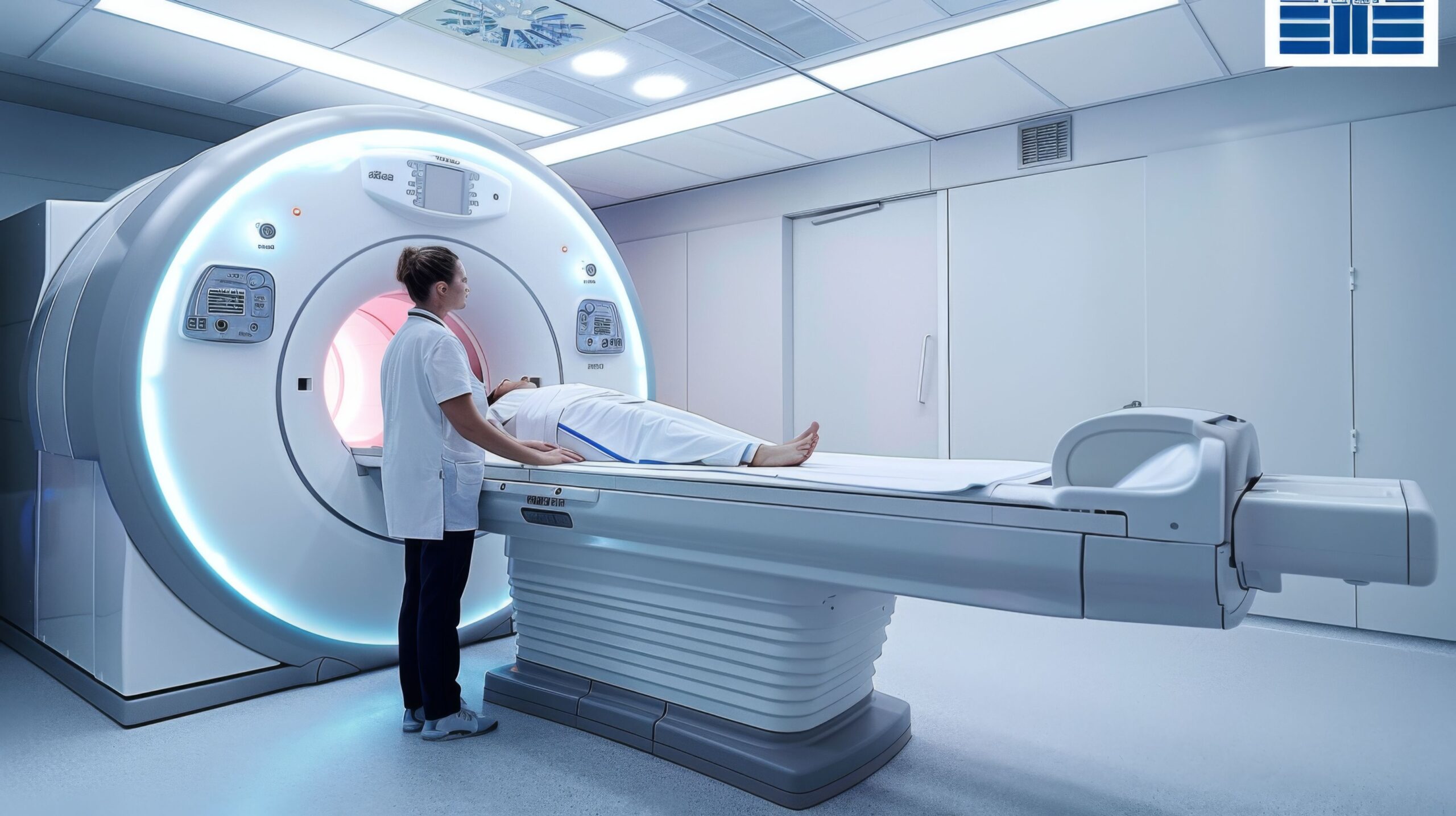
Best Radiology Hospital in Bangalore
In modern healthcare, a physician’s treatment plan is only as good as the diagnostic insights guiding it. Whether a patient requires a routine screening, complex trauma management, or monitoring for an ongoing chronic condition, clarity within the human body is essential. Medical imaging serves as the foundational bedrock for accurate clinical decisions.
For residents across Karnataka’s capital seeking flawless precision, advanced technological integration, and expert clinical interpretation, finding a top-tier imaging destination is paramount. Brindhavvan Areion Hospital has emerged as a premier institution, recognized widely by patients and healthcare professionals alike as the Best Radiology Hospital in Bangalore.
Through a combination of high-resolution imaging infrastructure, low-radiation safety protocols, and sub-specialty trained radiologists, the hospital provides the analytical clarity needed to drive successful medical outcomes.
The Critical Role of Advanced Radiology in Modern Healthcare
Radiology has evolved far beyond basic bone fractures and standard check-ups. Today, it encompasses a sophisticated suite of digital modalities that reveal cellular, structural, and blood-flow dynamics in real-time. The Best Radiology Hospital in Bangalore must offer an ecosystem that delivers three primary clinical pillars:
-
Diagnostic Accuracy: Subtle structural abnormalities, early-stage malignancies, or microvascular strokes can easily be missed by outdated imaging machinery. Advanced, high-slice CT scanners and high-tesla MRI systems ensure that every millimeter of anatomical tissue is captured with vivid clarity.
-
Speed and Turnaround Time: In emergencies like acute strokes or severe polytrauma, delayed results can lead to irreversible complications. A world-class radiology department must function seamlessly around the clock, providing rapid image acquisition and lightning-fast reporting.
-
Patient Safety & Radiation Optimization: Modern radiology prioritizes minimizing patient exposure to ionizing radiation. Utilizing advanced software algorithms that maintain exceptional image quality at significantly reduced radiation doses is a hallmark of elite diagnostic care.
Inside the Radiology and Imaging Ecosystem at Brindhavvan Areion Hospital
The dedicated Radiology Department at Brindhavvan Areion Hospital is strategically structured to support every specialty within the medical facility—from neurology and cardiology to gastroenterology, orthopedics, and emergency medicine.
1. High-Resolution Computed Tomography (CT) Scanning
Computed Tomography utilizes a rotating X-ray beam and advanced computer processing to generate detailed cross-sectional “slices” of the body’s internal structures. The hospital features high-slice digital CT technology capable of capturing intricate scans of moving organs, blood vessels, and complex skeletal systems in a matter of seconds.
-
CT Angiography (CTA): Non-invasively visualizes the arterial and venous pathways throughout the body, identifying critical blockages, aneurysms, or deep vein thrombosis (DVT).
-
Neuro and Stroke CT Imaging: Enables rapid assessment of brain tissue during acute neurological emergencies, allowing clinicians to instantly differentiate between ischemic and hemorrhagic strokes to execute time-sensitive treatments.
-
Abdominal and Pelvic CT protocols: Delivers sharp, high-contrast imagery of internal visceral organs to evaluate acute conditions like appendicitis, bowel obstructions, or localized internal abscesses.
2. Advanced Magnetic Resonance Imaging (MRI)
Magnetic Resonance Imaging leverages strong magnetic fields and radio waves to generate extraordinarily detailed pictures of soft tissues, ligaments, nerves, and organs without utilizing any ionizing radiation.
The advanced MRI capabilities at Brindhavvan Areion Hospital are essential for detecting subtle soft-tissue pathologies. The system’s high spatial resolution provides precise visualizations of brain tumors, spinal cord compressions, multi-ligament knee tears, and pelvic organ abnormalities, ensuring that consultants have a definitive roadmap before initiating any surgical or medical treatments.
3. Digital Ultrasonography and Color Doppler Studies
Ultrasound imaging utilizes high-frequency sound waves to map internal structures in real-time. Because it is completely safe and completely radiation-free, it remains a frontline diagnostic tool across multiple clinical areas.
-
Abdominal and Small-Part Sonography: Meticulously evaluates the structural integrity of vital organs, including the liver, kidneys, gallbladder, pancreas, and thyroid gland.
-
Color Doppler Flow Imaging: Evaluates the direction and speed of blood flowing through major peripheral arteries and veins, identifying structural plaque buildups, vascular narrowing, or dangerous clots in real-time.
-
Obstetric and Gynecological Imaging: Tracks fetal growth, evaluates placental health, and diagnoses complex uterine or ovarian anomalies with the highest degree of safety.
4. Digital X-Ray and Automated Fluoroscopy
Traditional film-based X-rays are a thing of the past. The hospital utilizes advanced Digital Radiography (DR) systems that require significantly lower radiation exposure while producing instantaneous, crystal-clear digital images. These images are transmitted immediately to the hospital’s internal database for immediate specialist review. Furthermore, automated fluoroscopy capabilities allow for real-time, dynamic viewing of internal systems, which is highly beneficial for contrast studies of the gastrointestinal and urinary tracts.
Seamless Integration with Clinical and Emergency Units
A major differentiator for Brindhavvan Areion Hospital is how closely its imaging services are woven into the fabric of its broader medical ecosystem.
When an emergency patient arrives via ambulance, they do not have to wait for a third-party diagnostic lab to open or send results. The radiology wing functions in tandem with the 24/7 advanced emergency rooms and critical care units.
Whether it is a multi-system trauma patient needing an emergency whole-body CT scan or a cardiac patient requiring urgent vascular imaging, the hospital’s radiology team is on standby around the clock. The imaging infrastructure is backed by an enterprise-grade Picture Archiving and Communication System (PACS). This allows specialists across any department to instantly access high-resolution scans from their secure medical tablets or operating room monitors, enabling immediate collaborative medical planning.
Dedicated Infrastructure and Patient-Centric Care
Medical imaging can occasionally induce anxiety, particularly for individuals experiencing claustrophobia during MRI scans or pediatric patients who struggle to remain still. Brindhavvan Areion Hospital addresses these concerns through a patient-first approach:
-
Empathetic Technologists: Every imaging procedure is guided by certified radiologic technologists who prioritize patient comfort, explain every step clearly, and implement precise positioning to minimize the need for repeat scans.
-
Sterile, Accessible Environments: The imaging suites are maintained under strict sanitization standards and are physically laid out to accommodate wheelchair-bound or bedridden patients smoothly.
-
Comprehensive Diagnostics Ecosystem: For ease of appointment scheduling, finding specific consulting specialists, or managing routine diagnostic health panels, patients can effortlessly coordinate their medical visits online via Click4Appointment.
Frequently Asked Questions (FAQs)
1. Why is Brindhavvan Areion Hospital considered the best radiology hospital in Bangalore?
The hospital stands out due to its advanced imaging technology, rapid turnaround times for critical diagnostic reports, and full-time availability of expert radiologists. Their seamless integration with the emergency and ICU departments ensures that patients receive precise diagnostic answers when time is most critical.
2. Do I need an prior appointment for a CT scan or ultrasound?
While walk-ins are fully supported for emergency cases 24/7, it is highly recommended to schedule an appointment for routine CT scans, MRIs, or ultrasounds to minimize waiting times and receive specific pre-test instructions (such as fasting requirements for certain contrast scans).
3. How safe are digital X-rays and CT scans at your hospital?
The hospital uses modern, low-dose digital imaging equipment. Advanced software protocols automatically adjust the radiation exposure to the minimum amount necessary to obtain an exceptionally clear image, keeping patient safety at the absolute forefront.
4. What is a Color Doppler study, and when is it required?
A Color Doppler is a specialized ultrasound technique that converts sound waves into distinct colors to visualize the speed and direction of blood flow through your blood vessels. It is commonly prescribed to evaluate blood clots (DVT), look for arterial blockages, or assess varicose veins.
5. Can I access my radiology images and reports digitally?
Yes. The hospital utilizes an advanced digital reporting and archival network. Your imaging results and finalized medical reports are archived securely and can be shared digitally with your consulting physicians for completely seamless follow-up care.


