
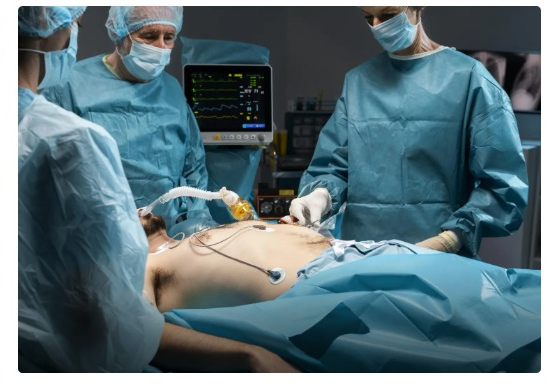
Best Transplant Surgeons in Bangalore
Organ transplantation is one of the most complex areas of modern medicine. It requires careful patient assessment, experienced surgical decision-making, specialised anaesthesia, critical-care monitoring, laboratory support and long-term medical follow-up. Patients searching for the Best Transplant Surgeons in Bangalore should therefore look beyond the surgical procedure and consider the complete clinical support available before, during and after transplantation.
Brindhavvan Areion Hospital is a multispeciality hospital located in Chamrajpet, Bengaluru. Its website lists transplant surgery among its surgical-care services, supported by departments such as nephrology, urology, gastroenterology, cardiology, pulmonology, anaesthesiology, pathology, radiology, critical care and dialysis. The hospital also states that it provides outpatient, inpatient and emergency services with 24/7 support.
Patients can learn more about transplant surgery services at Brindhavvan Areion Hospital, explore the Brindhavvan Areion Hospital website or book an appointment online for an individual medical evaluation.
Because transplant services, surgeon availability and hospital authorisations can differ according to the organ and procedure, patients should confirm the exact transplant programme available when scheduling their consultation.
Understanding Organ Transplantation
Organ transplantation is a medical and surgical process in which a damaged or failing organ is replaced with a healthy organ from a suitable donor. Depending on the organ involved, the donor may be a living donor or a deceased donor.
Common organ transplants performed at authorised transplant centres may include:
- Kidney transplantation
- Liver transplantation
- Heart transplantation
- Lung transplantation
- Pancreas transplantation
- Intestinal transplantation
Certain tissues, such as the cornea, skin, bone, heart valves and tendons, may also be donated and transplanted through authorised programmes.
A transplant is not recommended merely because an organ is affected by disease. The medical team evaluates the severity of organ failure, the expected benefits of transplantation, the patient’s overall health and whether alternative treatments remain appropriate.
The Best Transplant Surgeons in Bangalore work as part of a multidisciplinary transplant team rather than functioning independently. Transplant care may require physicians, nephrologists, hepatologists, cardiologists, pulmonologists, urologists, gastroenterologists, anaesthesiologists, radiologists, pathologists, intensive-care specialists, transplant coordinators, nurses, dietitians and rehabilitation professionals.
When Is an Organ Transplant Considered?
An organ transplant may be considered when an organ has suffered severe or irreversible damage and conventional medical or surgical treatments can no longer maintain adequate function.
The decision depends on the affected organ and the patient’s clinical condition.
Kidney Failure
Kidney transplantation may be considered for selected patients with end-stage kidney disease. The kidneys remove waste and excess fluid from the blood while helping regulate blood pressure, minerals and red-blood-cell production.
When kidney function becomes severely impaired, patients may require dialysis or evaluation for transplantation. A transplant assessment determines whether the patient is medically suitable and whether a compatible living or deceased donor pathway is available.
Brindhavvan Areion Hospital lists nephrology and dialysis among its services. The hospital’s online information also refers to evaluation and pre- and post-kidney-transplant support.
Advanced Liver Disease
Liver transplantation may be considered for selected patients with severe chronic liver disease, acute liver failure or certain carefully evaluated liver conditions.
The liver performs essential functions, including processing nutrients, producing proteins, supporting blood clotting and removing harmful substances. Transplant evaluation may involve liver-function tests, imaging, cardiac assessment, infection screening and review by a multidisciplinary team.
Advanced Heart Disease
Heart transplantation may be considered for selected patients with advanced heart failure when other medicines, devices or surgical treatments are no longer sufficient.
Patients undergo detailed cardiac and general health assessments before being considered for a transplant. The evaluation may include heart imaging, lung testing, blood investigations, infection screening and assessment of other organ functions.
Severe Lung Disease
A lung transplant may be evaluated for patients with advanced lung disease whose symptoms continue to worsen despite appropriate treatment.
The transplant team assesses breathing capacity, heart function, nutritional condition, infection risk, physical fitness and ability to follow a long-term medical programme.
Pancreatic and Other Transplants
Pancreas transplantation may be considered in selected patients, particularly those with complex insulin-dependent diabetes and additional medical indications.
Other organ or tissue transplants require specialised evaluation at appropriately authorised centres. The treatment plan is based on accepted clinical criteria, donor availability and the patient’s overall suitability.
Role of a Transplant Surgeon
A transplant surgeon is responsible for several stages of the transplant process. The surgeon’s work begins well before the operation and continues throughout recovery.
The responsibilities of a transplant surgeon may include:
- Reviewing the recipient’s medical condition
- Participating in transplant eligibility decisions
- Evaluating surgical risks
- Reviewing donor-organ suitability
- Coordinating with physicians and transplant coordinators
- Performing donor or recipient surgery where applicable
- Managing surgical complications
- Monitoring wound healing and organ function
- Coordinating long-term follow-up
Patients looking for the Best Transplant Surgeons in Bangalore should consider the surgeon’s qualifications, transplant-specific training, experience with the required organ, institutional support and ability to explain the treatment clearly.
The hospital must also provide the infrastructure and multidisciplinary coordination required to manage a highly complex procedure safely.
Recipient Evaluation Before Transplantation
The transplant recipient undergoes extensive assessment before being approved for surgery. This evaluation is designed to determine whether transplantation is likely to provide a meaningful benefit and whether the patient can safely undergo the procedure.
The evaluation may include:
- Complete medical history
- Physical examination
- Blood-group testing
- Tissue compatibility testing
- Organ-function assessment
- Imaging investigations
- Heart and lung evaluation
- Infection screening
- Cancer screening when appropriate
- Dental assessment
- Nutritional evaluation
- Psychological and social assessment
- Review of current medicines
- Financial and logistical counselling
The medical team also evaluates whether the patient can attend follow-up appointments, take medicines consistently and recognise warning signs after transplantation.
The Best Transplant Surgeons in Bangalore should explain why each investigation is necessary and how the results influence the transplant decision.
Living Donor Assessment
A living donor may donate certain organs or part of an organ when medically and legally appropriate. Kidney and partial-liver donation are common examples of living-donor transplantation.
The safety and voluntary consent of the donor are essential. A potential donor undergoes an independent medical assessment to evaluate general health, organ function and surgical risk.
Living-donor evaluation may include:
- Blood-group and compatibility testing
- Kidney or liver-function testing
- Imaging studies
- Cardiac assessment
- Infection screening
- Psychological assessment
- Review of family or genetic relationship
- Independent informed consent
- Legal and ethical documentation
In India, organ donation and transplantation are regulated processes. Official NOTTO documentation includes separate forms for near-relative donors, spousal donors and donors who are not near relatives. It also includes documentation for donor fitness, proof of relationship, donor approval and hospital registration for transplantation.
No donor should be pressured into undergoing surgery. The donor must understand the procedure, possible complications, recovery requirements and long-term medical considerations.
Deceased Donor Transplantation
Deceased donor transplantation involves organ donation after death under legally defined and medically verified circumstances. The process requires appropriate consent, donor assessment, organ allocation and coordination between authorised hospitals and transplant organisations.
A recipient may be placed on an official waiting list after completing the required transplant evaluation. Allocation depends on factors such as medical urgency, compatibility, waiting time, organ size, geographic considerations and applicable allocation policies.
When an organ becomes available, the transplant team must assess whether it is suitable for the intended recipient. Even after a patient reaches the hospital, surgery may be postponed or cancelled if the organ is found to be unsuitable or if the recipient develops a medical concern.
Patients searching for the Best Transplant Surgeons in Bangalore should select a team that discusses the waiting-list process, possible delays and alternative treatment plans transparently.
Importance of a Multidisciplinary Transplant Team
Transplant surgery cannot be managed by a surgeon alone. A successful programme requires coordination across several medical and surgical departments.
Nephrology and Dialysis Support
Patients with kidney failure may require nephrology care and dialysis before transplantation. After a kidney transplant, nephrologists monitor kidney function, blood pressure, fluid balance and immunosuppressive medicines.
Brindhavvan Areion Hospital lists nephrology and dialysis within its medical and surgical-care services.
Gastroenterology and Liver Care
Patients with liver disease may require gastroenterology evaluation, imaging, endoscopy, nutritional support and treatment for complications before being considered for transplantation.
Urology and Vascular Surgery
Kidney transplantation involves connections between the donor kidney’s blood vessels, the recipient’s blood vessels and the urinary system. Urological and vascular expertise may therefore be important in selected transplant-related procedures and complications.
Anaesthesiology
Transplant operations may be lengthy and medically demanding. Anaesthesiologists monitor breathing, circulation, fluid balance, blood loss, body temperature and organ function throughout surgery.
The Click4Appointment listing for Brindhavvan Areion Hospital includes anaesthesiology, urology, general surgery and other specialists, supporting multidisciplinary consultation pathways.
Critical Care
Some transplant recipients require intensive monitoring following surgery. Critical-care teams manage breathing support, circulation, infection risk, organ function and other postoperative concerns.
Brindhavvan Areion Hospital lists adult intensive care among its critical-care services and states that hospital support is available around the clock.
Pathology, Radiology and Laboratory Services
Laboratory testing and imaging are required throughout transplant evaluation and follow-up. Blood tests help assess organ function, medicine levels, blood counts and infection risk. Imaging may be used to evaluate blood flow, organ structure and possible complications.
What Happens During Transplant Surgery?
The exact surgical process depends on the organ being transplanted.
Before the operation, the recipient undergoes final blood tests, medical assessment and compatibility verification. The transplant team confirms the patient’s identity, consent, donor information and planned procedure.
During surgery, the patient receives general anaesthesia. The transplant surgeon places the donated organ in the recipient’s body and connects the required blood vessels and other structures.
In kidney transplantation, the transplanted kidney is commonly placed in the lower abdomen and connected to blood vessels and the bladder. In liver transplantation, the damaged liver is removed and replaced with the donor liver or donated liver segment.
After surgery, the recipient is transferred to a recovery area or intensive-care unit for close observation.
The Best Transplant Surgeons in Bangalore work with anaesthesia, critical-care and nursing teams to monitor the transplanted organ and identify early complications.
Recovery After Transplant Surgery
Recovery differs according to the organ transplanted, the recipient’s overall health, the complexity of surgery and whether complications occur.
During the early postoperative period, the medical team monitors:
- Blood pressure and heart rate
- Oxygen levels
- Urine output
- Liver or kidney function
- Blood counts
- Electrolyte levels
- Wound healing
- Signs of infection
- Signs of bleeding
- Function of the transplanted organ
- Immunosuppressant medicine levels
Patients are encouraged to begin breathing exercises and gradual mobilisation when medically appropriate. Diet and fluid intake are adjusted according to organ function and recovery.
Before discharge, the patient and family receive instructions about medicines, wound care, diet, activity, hygiene, infection prevention and follow-up appointments.
Understanding Transplant Rejection
The immune system protects the body by identifying and attacking substances that appear foreign. Because a transplanted organ comes from another person, the recipient’s immune system may recognise it as foreign and attempt to attack it. This response is known as transplant rejection.
To reduce the risk of rejection, transplant recipients are prescribed immunosuppressive or anti-rejection medicines. Many patients need to take these medicines for the long term, and some require them throughout life.
Immunosuppressive medicines reduce immune-system activity, which can also increase susceptibility to infections. Patients must take all medicines exactly as prescribed and should never change or stop them without instructions from their transplant team.
The Best Transplant Surgeons in Bangalore and their medical teams provide clear instructions about medicine timing, blood testing and symptoms that require urgent attention.
Possible Risks of Transplant Surgery
Every transplant procedure carries potential risks. These depend on the organ, donor type, recipient health and complexity of surgery.
Possible risks include:
- Bleeding
- Infection
- Blood clots
- Anaesthesia complications
- Injury to nearby organs
- Problems with blood-vessel connections
- Delayed function of the transplanted organ
- Bile or urine leakage
- Wound complications
- Rejection
- Side effects of immunosuppressive medicines
- Need for another procedure
- Failure of the transplanted organ
Patients should discuss procedure-specific risks with their surgeon. The benefits of transplantation must be weighed against these possible complications and the risks associated with continuing organ failure.
Long-Term Care After Transplantation
Transplantation is not the end of treatment. It marks the beginning of a lifelong follow-up programme.
Long-term care may include:
- Regular transplant-clinic visits
- Blood investigations
- Imaging when required
- Immunosuppressant-level monitoring
- Blood-pressure management
- Diabetes monitoring
- Infection prevention
- Cancer screening
- Nutritional counselling
- Exercise and rehabilitation
- Mental-health support
- Vaccination guidance
Patients must maintain consistent communication with their transplant team. Missing medicines or follow-up appointments can increase the risk of complications.
The Best Transplant Surgeons in Bangalore should work with physicians and transplant coordinators to establish a practical long-term care plan.
Warning Signs After a Transplant
Patients should contact their transplant team immediately if they experience:
- Fever or chills
- Increasing wound redness
- Pus or discharge from the wound
- Severe or worsening pain
- Reduced urine output
- Sudden swelling
- Persistent vomiting or diarrhoea
- Breathing difficulty
- Chest pain
- Unusual fatigue
- Yellowing of the eyes or skin
- Rapid weight gain
- New confusion
- Difficulty taking prescribed medicines
These symptoms do not always mean that rejection has occurred, but they require prompt medical evaluation.
Why Consider Brindhavvan Areion Hospital?
Brindhavvan Areion Hospital provides a multispeciality setting that can support patients requiring evaluation, treatment of organ disease and transplant-related follow-up.
Multispeciality Medical Support
The hospital website lists nephrology, gastroenterology, urology, cardiology, pulmonology, radiology, pathology, haematology, anaesthesiology and critical care among its departments.
Surgical Services
Transplant surgery is listed within the hospital’s surgical-care section, together with gastrointestinal, urological, vascular, general, oncology and other surgical services. Patients should confirm which transplant procedures are currently available and whether they are performed directly at the hospital or managed through a coordinated referral pathway.
Dialysis and Nephrology Care
Dialysis and nephrology services are important for patients with advanced kidney disease. The hospital’s published content refers to pre- and post-kidney-transplant support in addition to non-transplant nephrology care.
Emergency and Inpatient Support
The hospital lists emergency, outpatient and inpatient services and indicates that it remains open 24/7. Its address is 17, 4th Main Road, Chamrajpet, Bengaluru, Karnataka 560018.
How to Choose the Best Transplant Surgeons in Bangalore
Before choosing a transplant surgeon or hospital, patients should ask:
- Does the surgeon have specialised training in the required transplant procedure?
- Is the hospital currently authorised for the specific organ transplant?
- How many similar procedures does the team manage?
- What medical specialists are involved in the programme?
- How are living donors evaluated and protected?
- How does the waiting-list process work?
- What tests are required before transplantation?
- What are the potential risks and expected benefits?
- Is intensive-care support available?
- Who manages anti-rejection medicines?
- What follow-up schedule will be required?
- What expenses are included in the treatment estimate?
- What happens if a donor organ is unsuitable?
- Who should be contacted during an emergency?
- Is pre- and post-transplant counselling available?
The Best Transplant Surgeons in Bangalore should answer these questions clearly and provide realistic expectations without guaranteeing a particular result.
Book a Transplant-Related Consultation
Patients with advanced organ disease can begin by consulting the relevant specialist. Existing medical reports, scans, medicine lists and previous treatment details should be carried to the appointment.
Visit the Brindhavvan Areion Hospital transplant surgery page for available service information.
Explore the Brindhavvan Areion Hospital homepage to learn about its departments, surgical care, emergency support and critical-care facilities.
Use the online appointment portal to view doctors and request a consultation.
Frequently Asked Questions
1. Who are the Best Transplant Surgeons in Bangalore?
The right transplant surgeon should have transplant-specific training, relevant surgical experience and access to an authorised hospital with multidisciplinary, critical-care and long-term follow-up support.
2. Does every patient with organ failure require transplantation?
No. Treatment depends on the affected organ, disease severity, overall health and response to other treatments. A specialist must determine whether transplantation is appropriate.
3. What tests are required before a transplant?
Testing may include blood-group and tissue matching, organ-function tests, infection screening, imaging, cardiac evaluation and psychological, nutritional and social assessments.
4. Can a family member become an organ donor?
A medically suitable adult family member may be considered as a living donor for certain organs. Compatibility, donor safety, voluntary consent and legal requirements must be carefully evaluated.
5. Is organ transplantation legally regulated in India?
Yes. Organ donation and transplantation involve legally prescribed donor categories, documentation, medical-fitness certification, approval procedures and registration requirements.
6. What is organ rejection?
Rejection occurs when the recipient’s immune system recognises the transplanted organ as foreign and attacks it. Anti-rejection medicines are prescribed to reduce this risk.
7. Are anti-rejection medicines required for life?
Many transplant recipients require long-term or lifelong immunosuppressive medicines. The exact combination and dosage depend on the transplanted organ and the patient’s condition.
8. How long does recovery take?
Recovery varies depending on the organ, type of donor, complexity of surgery and recipient’s health. The transplant team provides an individual recovery and follow-up plan.
9. Does Brindhavvan Areion Hospital provide transplant-related care?
The hospital lists transplant surgery, nephrology, dialysis and multidisciplinary surgical services. Its published nephrology information also refers to evaluation and pre- and post-kidney-transplant support. Patients should confirm the availability and authorisation of the specific transplant programme when booking.
10. How can I book an appointment?
Patients can use the Brindhavvan Areion Hospital appointment page to view available doctors and request a consultation.
Conclusion
Organ transplantation requires careful planning, advanced surgical expertise and lifelong medical follow-up. Choosing the Best Transplant Surgeons in Bangalore involves evaluating the surgeon’s training, the hospital’s authorisation, critical-care support, donor-safety practices and long-term transplant-management services.
Brindhavvan Areion Hospital lists transplant surgery within its surgical-care services and provides access to nephrology, dialysis, urology, gastroenterology, cardiology, pulmonology, anaesthesiology, radiology, pathology and critical care. Its multispeciality structure can support patients who need evaluation for organ disease, pre-transplant preparation, postoperative monitoring or coordinated referral.
Patients considering transplantation should schedule a detailed consultation, carry their medical records and confirm the current availability of the required transplant surgeon and authorised programme. A personalised assessment helps the patient and family understand the treatment options, expected benefits, possible risks and long-term responsibilities associated with transplantation.


