
Best Laparoscopy Hospital In Bangalore
Surgery can feel overwhelming, especially when patients are concerned about large incisions, postoperative pain, hospital stays and the time required to return to everyday life. Modern laparoscopy has transformed the surgical experience for many abdominal and pelvic conditions by allowing surgeons to diagnose or treat selected problems through small incisions.
For people searching for the Best Laparoscopy Hospital In Bangalore, the right choice should combine an experienced surgical team, modern operating facilities, dependable anaesthesia support, accurate diagnostics, emergency backup and organised postoperative follow-up.
Brindhavvan Areion Hospital provides multidisciplinary medical and surgical care in Chamrajpet, Bengaluru. Patients can explore its laparoscopic surgery services, learn more about its departments through the Brindhavvan Areion Hospital website or book an appointment online for an individual surgical assessment. The hospital website lists laparoscopic surgery along with general, gastrointestinal, urological, paediatric, oncological and other surgical services. paroscopic Surgery?
Laparoscopic surgery, commonly known as keyhole surgery or minimally invasive surgery, is a technique used to examine and operate inside the abdomen or pelvis without making one large surgical incision.
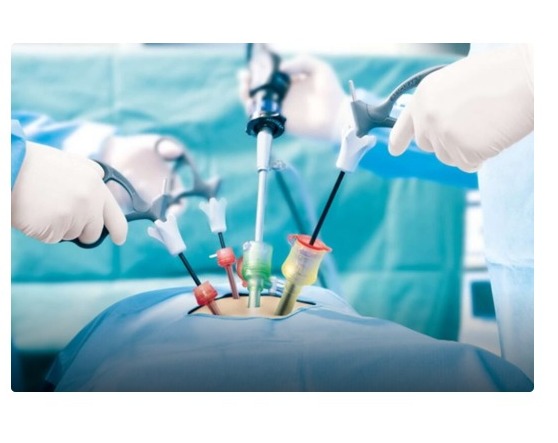
The surgeon generally makes a small incision near the navel and inserts a laparoscope. A laparoscope is a thin instrument equipped with a camera and light. The camera transmits magnified images from inside the body to a monitor, helping the surgeon clearly view internal organs.
One or more additional small incisions may be made to insert specialised surgical instruments. Carbon dioxide gas is commonly introduced into the abdomen to create sufficient space for the surgeon to examine and operate on the affected area.
Once the procedure is complete, the instruments are removed, the gas is released and the small incisions are closed. Most laparoscopic operations are performed under general anaesthesia, although the exact technique depends on the procedure and the patient’s medical condition. n at the Best Laparoscopy Hospital In Bangalore should explain why laparoscopy is being recommended, whether alternative treatments are available, the expected benefits, the possible risks and the likelihood that open surgery may be required for safety.
Why Is Laparoscopic Surgery Commonly Preferred?
When clinically appropriate, laparoscopic surgery may provide several advantages compared with conventional open surgery. Because the surgical incisions are smaller, many patients experience less wound-related discomfort, reduced visible scarring and shorter hospitalisation.
Recovery may also be faster, allowing patients to return to walking, work and routine activities earlier. However, these benefits vary depending on the type of operation, the complexity of the disease, the patient’s general health and whether complications occur.
Potential advantages of laparoscopic surgery may include:
- Smaller surgical incisions
- Reduced postoperative discomfort
- Less visible scarring
- Earlier mobilisation after surgery
- Shorter hospital stays for suitable procedures
- Quicker return to routine activities
- Reduced risk of certain wound-related complications
- Magnified visualisation of internal structures
Authoritative medical guidance notes that smaller incisions may support less pain, shorter hospital stays, faster recovery and smaller scars. Laparoscopy is still major surgery and requires qualified surgeons, safe anaesthesia, sterile operating conditions and careful monitoring. 329731search5turn329731search7
The Best Laparoscopy Hospital In Bangalore should not recommend keyhole surgery simply because it is a modern technique. The decision must be based on accurate diagnosis, patient safety, surgical experience and the expected clinical outcome.
Conditions That May Be Treated With Laparoscopy
Laparoscopic techniques are used across general surgery, gastrointestinal surgery, gynaecology, urology, paediatric surgery and selected cancer procedures.
A patient’s suitability for laparoscopy depends on the diagnosis, disease stage, previous abdominal operations, overall health, age and the surgeon’s assessment.
Laparoscopic Gallbladder Surgery
Gallstones can cause repeated upper abdominal pain, nausea, vomiting, inflammation and infection. When gallbladder removal is medically indicated, laparoscopic cholecystectomy may be recommended.
During the operation, the surgeon removes the gallbladder through small incisions using a laparoscope and specialised instruments. Laparoscopic gallbladder removal is performed under general anaesthesia, and patients receive procedure-specific instructions about fasting, medicines and recovery. ing for the Best Laparoscopy Hospital In Bangalore for gallbladder surgery should ask about diagnostic imaging, liver-function tests, anaesthesia evaluation, pain management and postoperative dietary advice.
Laparoscopic Appendix Removal
Appendicitis is an inflammation of the appendix. It can become a medical emergency when the appendix ruptures or infection spreads within the abdomen.
Laparoscopic appendectomy allows the surgeon to inspect the abdominal cavity and remove the appendix through small incisions. The operation is generally performed under general anaesthesia. The timing and surgical approach depend on the patient’s condition and the severity of inflammation or infection. pic Hernia Repair
A hernia develops when tissue or an internal organ pushes through a weakened area in the abdominal wall. Laparoscopic repair may be considered for selected inguinal, ventral, incisional or recurrent hernias.
The surgeon returns the protruding tissue to its correct position and repairs the weakened area. Surgical mesh may be used in suitable cases to reinforce the abdominal wall.
The Best Laparoscopy Hospital In Bangalore should recommend treatment according to the type and size of the hernia, the patient’s symptoms, previous repairs, occupation, lifestyle and overall health.
Diagnostic Laparoscopy
Some patients experience persistent abdominal or pelvic pain even when ultrasound, CT scans, MRI scans or other investigations do not provide a complete diagnosis.
Diagnostic laparoscopy allows the surgeon to examine the abdominal or pelvic organs directly. It may help identify inflammation, internal scar tissue, endometriosis, injuries, tumours or other abnormalities. It can also be used to collect a biopsy for laboratory examination.
In selected cases, the surgeon may diagnose and treat the condition during the same procedure. gical Laparoscopy
Laparoscopy may be recommended for selected gynaecological conditions, including:
- Ovarian cysts
- Endometriosis
- Ectopic pregnancy
- Uterine fibroids
- Pelvic adhesions
- Infertility evaluation
- Selected hysterectomy procedures
The treatment plan should consider the patient’s symptoms, age, reproductive goals, imaging findings and the possibility of preserving healthy reproductive tissue.
Gastrointestinal and Colorectal Surgery
Selected operations involving the stomach, small intestine, colon, rectum and other digestive organs can be performed laparoscopically.
These procedures may be more complex and require experienced gastrointestinal surgeons, detailed imaging, anaesthesia support, pathology services, nutritional planning and structured postoperative monitoring.
Urological and Cancer-Related Procedures
Laparoscopic techniques may also be used for selected operations involving the kidneys, adrenal glands, urinary system and pelvic organs.
Cancer-related surgery requires additional planning. The surgeon must consider the type and stage of cancer, imaging results, biopsy findings and whether surrounding lymph nodes or organs are involved. Cancer operations must follow appropriate oncological principles rather than focusing only on the size of the incision.
Why Consider Brindhavvan Areion Hospital for Laparoscopic Care?
Patients searching for the Best Laparoscopy Hospital In Bangalore need more than a surgeon and an operating theatre. Safe surgical care depends on coordination between surgeons, anaesthesiologists, physicians, radiologists, pathologists, nurses, critical-care specialists and rehabilitation professionals.
Brindhavvan Areion Hospital is presented as a multispeciality hospital in Chamrajpet with medical, surgical, diagnostic, inpatient, emergency and critical-care services.
Its website lists general surgery, gastro surgery, gastrointestinal surgery, urological surgery, paediatric surgery, oncology surgery, gynaecological care, anaesthesiology, radiology, pathology and critical care among its services. The website also lists adult, neonatal and paediatric intensive-care facilities. linary structure can be important when surgical patients also have diabetes, hypertension, heart disease, breathing difficulties, kidney problems or other medical conditions that may affect the operation and recovery.
Experienced Surgical Assessment
A proper surgical consultation begins with a detailed review of the patient’s symptoms, medical history, previous operations, current medicines, allergies and investigation reports.
The surgeon determines whether an operation is necessary and whether a laparoscopic, open or non-surgical treatment would be most appropriate.
Not every patient with gallstones, a hernia, an ovarian cyst or abdominal pain requires immediate surgery. Treatment should be recommended only after the diagnosis and potential benefits are carefully evaluated.
Anaesthesia and Preoperative Evaluation
Before an operation, the anaesthesia team reviews the patient’s overall health and identifies conditions that may influence anaesthesia or postoperative recovery.
Blood tests, scans, ECG, chest evaluation or specialist clearance may be recommended depending on the patient’s age, symptoms, planned operation and existing medical conditions.
Patients must inform the anaesthesiologist about previous anaesthesia reactions, breathing problems, heart disease, diabetes, allergies and all medicines being taken.
Diagnostic and Multispeciality Support
Accurate diagnosis is essential before any surgical procedure. Access to laboratory testing, radiology, physicians, gastroenterologists, gynaecologists, urologists and other specialists supports coordinated decision-making.
This multidisciplinary support is an important quality that patients expect when selecting the Best Laparoscopy Hospital In Bangalore.
Emergency and Critical-Care Backup
Many laparoscopic procedures are planned and completed without serious problems. However, unexpected bleeding, infection, anaesthesia complications, organ injury or other medical concerns can occur during or after surgery.
Emergency and critical-care support enables the clinical team to provide additional monitoring and treatment when required. The Brindhavvan Areion Hospital website states that the hospital operates 24/7 and provides critical-care services. entred Recovery
Surgical recovery is not limited to closing the incisions. Patients need pain management, nausea control, safe mobilisation, wound-care instructions, nutritional guidance, medicine review and follow-up.
Clear discharge instructions help patients understand:
- How to care for the wounds
- When to resume bathing
- What foods to consume
- When to begin walking
- Which medicines to take
- When to return to work
- How long to avoid lifting weights
- Which symptoms require medical attention
Preparing for Laparoscopic Surgery
Preparation varies depending on the operation, but it commonly includes a physical examination, blood tests, imaging, anaesthesia evaluation and medication review.
Patients must tell the surgical team about:
- Blood-thinning medicines
- Diabetes medications
- Herbal products and supplements
- Medicine allergies
- Previous surgical procedures
- Previous reactions to anaesthesia
- Pregnancy or possible pregnancy
- Heart, lung, liver or kidney conditions
Fasting instructions must be followed exactly. Patients should not discontinue prescribed medicines unless advised by their surgeon or anaesthesiologist.
The surgical team may also provide instructions regarding bathing, bowel preparation, smoking, alcohol consumption and transport after discharge.
At the Best Laparoscopy Hospital In Bangalore, informed consent should be a meaningful conversation. Patients should understand the proposed procedure, available alternatives, expected recovery, possible complications and circumstances that could require conversion to open surgery.
What Happens on the Day of Surgery?
After admission, the care team verifies the patient’s identity, planned procedure, consent form, investigation reports, fasting status and known allergies.
An intravenous line is placed, and the anaesthesia team performs a final evaluation. During the procedure, the patient’s breathing, blood pressure, heart rate, oxygen level and other vital signs are continuously monitored.
The surgeon creates the required access points, inserts the laparoscope, examines the affected area and performs the planned procedure. Once the operation is complete, the instruments are removed and the incisions are closed.
The patient is transferred to a recovery area until the effects of anaesthesia begin to wear off.
The duration of surgery and hospitalisation varies. Some patients may go home on the same day or the following day, while people undergoing complex procedures or those with additional medical conditions may require a longer stay.
Recovery After Laparoscopic Surgery
Recovery depends on the type and complexity of the operation rather than the size of the incisions alone. Recovery following diagnostic laparoscopy is generally different from recovery after bowel surgery, hernia repair, hysterectomy or cancer surgery.
Temporary symptoms may include:
- Abdominal bloating
- Mild wound discomfort
- Tiredness
- Nausea
- Sore throat
- Shoulder-tip discomfort
- Bruising around the incisions
Shoulder discomfort can occur because the gas used during laparoscopy may irritate the diaphragm. Recovery times differ considerably, and patients should follow procedure-specific medical advice. paroscopy Hospital In Bangalore** should provide clear discharge instructions covering wound care, diet, hydration, walking, pain medicines, driving, lifting restrictions, return to work and follow-up appointments.
Patients should obtain prompt medical help if they experience worsening abdominal pain, repeated vomiting, fever, increasing wound redness, pus, uncontrolled bleeding, breathing difficulty, chest pain, fainting, severe abdominal swelling or unexpected difficulty passing urine or stool.
Risks and Limitations of Laparoscopic Surgery
Laparoscopy may provide important benefits, but no surgical procedure is completely free from risk.
Possible complications include:
- Bleeding
- Wound or internal infection
- Blood clots
- Anaesthesia reactions
- Injury to the bowel
- Injury to the bladder
- Damage to blood vessels
- Injury to nearby organs
- Need for another procedure
- Conversion to open surgery
Sometimes the surgeon must convert from laparoscopic surgery to an open operation because of severe inflammation, extensive scar tissue, unexpected anatomy, uncontrolled bleeding, poor visibility or a complex surgical finding.
Conversion to open surgery is not necessarily a failure. It may be the safest way to manage an unexpected problem and complete the operation. paroscopy Hospital In Bangalore** is one that discusses these possibilities honestly and prioritises patient safety over making the smallest possible incision.
How to Choose the Right Laparoscopy Hospital
Before undergoing surgery, patients should ask the following questions:
- Is laparoscopic surgery suitable for my condition?
- What experience does the surgical team have with this procedure?
- Are there non-surgical treatment options?
- What tests are required before surgery?
- What type of anaesthesia will be used?
- What are the common and serious risks?
- Could the operation require conversion to open surgery?
- How long might I remain in the hospital?
- When can I return to work, driving and exercise?
- What emergency support is available?
- What follow-up appointments will be required?
- What is included in the estimated surgical cost?
These questions help patients look beyond promotional claims while choosing the Best Laparoscopy Hospital In Bangalore for their individual condition.
Consult Brindhavvan Areion Hospital
Brindhavvan Areion Hospital is located at 17, 4th Main Road, Chamrajpet, Bengaluru, Karnataka 560018. Its online clinic profile describes it as a multispeciality hospital and provides access to doctor information and appointment booking. whether minimally invasive surgery is appropriate for your condition, visit the hospital’s laparoscopic surgery page.
You can also explore the Brindhavvan Areion Hospital homepage for information about departments, doctors, patient services and surgical care.
For consultation availability, use the online appointment booking page.
For patients seeking the Best Laparoscopy Hospital In Bangalore, the essential first step is a personalised surgical evaluation. The surgeon can review symptoms and reports, confirm the diagnosis, compare treatment options and explain whether laparoscopy is appropriate.
Frequently Asked Questions
1. What is laparoscopic surgery?
Laparoscopic surgery is a minimally invasive technique in which a surgeon uses a camera and specialised instruments through small incisions to examine or treat conditions inside the abdomen or pelvis.
2. Which is the Best Laparoscopy Hospital In Bangalore?
The right hospital should have experienced surgeons, qualified anaesthesia support, diagnostic facilities, trained nursing teams, emergency backup and structured postoperative care. Brindhavvan Areion Hospital provides multidisciplinary surgical services in Chamrajpet and allows patients to schedule an individual consultation.
3. Is laparoscopic surgery safer than open surgery?
Laparoscopy may provide less incision-related pain, reduced scarring and faster recovery for suitable patients. However, it still has risks. The safest approach depends on the medical condition, surgical complexity, previous operations and the patient’s overall health.
4. Which operations can be performed laparoscopically?
Common examples include gallbladder removal, appendix removal, selected hernia repairs, diagnostic laparoscopy, ovarian cyst surgery, endometriosis treatment and certain gastrointestinal, colorectal, urological and gynaecological procedures.
5. How long will I stay in the hospital?
Some patients may leave on the same day or the following day. Others require a longer stay. The duration depends on the operation, the patient’s overall health, pain control, diet tolerance and whether complications occur.
6. How long does recovery take?
Recovery varies considerably. A minor diagnostic procedure may allow an earlier return to routine activities, while major abdominal or pelvic surgery may require several weeks. Patients should follow the instructions provided by their surgeon.
7. Can laparoscopic surgery become open surgery?
Yes. The surgeon may convert to open surgery when visibility is poor, severe bleeding occurs, scar tissue is extensive, the anatomy is unexpected or an open incision is considered safer.
8. Is laparoscopy suitable for every patient?
No. Previous abdominal surgery, severe inflammation, advanced disease, certain heart or lung conditions and other medical factors may affect suitability. A surgeon must evaluate each patient individually.
9. Is laparoscopic surgery painful?
The procedure is generally performed under anaesthesia, so the patient does not feel the operation. Some wound discomfort, bloating or shoulder-tip pain may occur afterward and can usually be managed with prescribed medicines.
10. How can I book a consultation?
Patients can use the Brindhavvan Areion Hospital appointment page to view available doctors and request an appointment.
Conclusion
Laparoscopic surgery has made many abdominal and pelvic operations less invasive. However, good surgical outcomes still depend on accurate diagnosis, experienced clinical judgement, safe anaesthesia, hospital support and appropriate follow-up.
Choosing the Best Laparoscopy Hospital In Bangalore means selecting a centre that evaluates the whole patient rather than focusing only on the surgical technology or size of the incision.
Brindhavvan Areion Hospital combines multispeciality services with surgical, diagnostic, emergency and critical-care support in Chamrajpet. Patients considering keyhole surgery can consult the surgical team to understand their diagnosis, compare treatment options and make an informed decision based on safety and their individual medical needs.


